Show the complete route
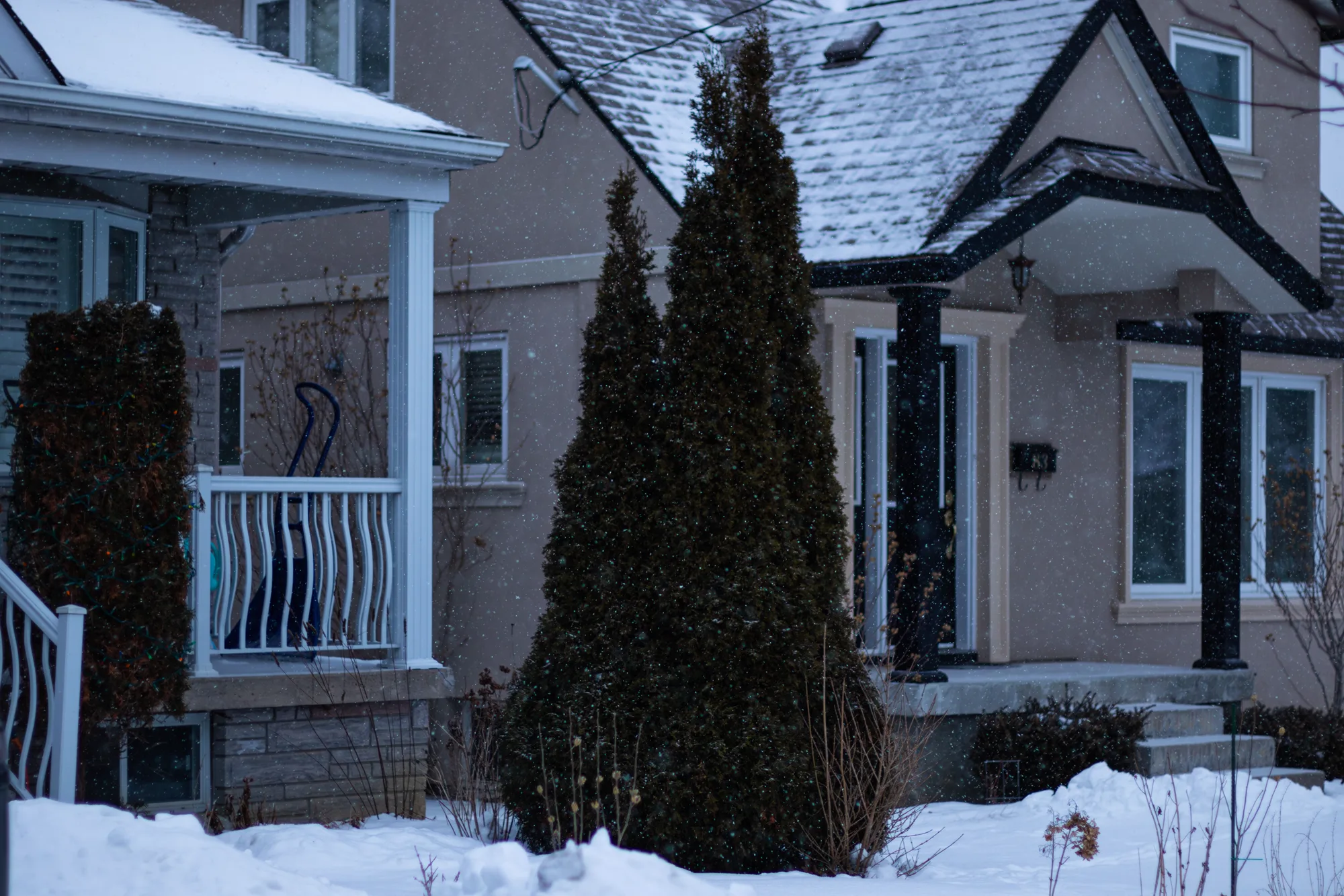
A large area behind a building may be reachable only through a narrow passage. Photograph the route from the property entrance to the requested area. Include changes in direction, doors and sections where two vehicles cannot pass each other.
Describe the route an operator would take, in sequence. You can name the stages: gate, side passage, rear yard. This brief written tour makes photographs easier to understand and helps the business identify what needs checking before it offers a service.
Describe slopes without inventing a measurement
If the driveway rises, falls or changes slope, say so and provide a side view from an accessible location. Explain what is at the top and bottom: garage, street, door or traffic area. A slope cannot always be understood from a photograph taken at one end.
Do not try to calculate an angle on a slippery surface to complete a form. An honest description and photographs can prepare the assessment. The business must evaluate conditions and decide how to carry out the work; a form does not determine whether an operation is safe.
List fixed and movable obstacles
Separate fixed features, such as walls and steps, from items that can move: bins, vehicles, furniture or seasonal decorations. State who can move them and when. A business should not arrive to discover that an apparently clear route depends on someone else being present.
For a gate, describe how it opens and the space required for its movement without placing an access code in a public request. Sensitive information can be shared through a suitable channel once the relationship is established. An access photograph should not expose private documents or screens.
Ask for a response tailored to the site
Once the route is described, ask what the business can handle and what still needs clarification. Impressive equipment alone does not establish a good fit. What matters is the ability to work within the property’s actual constraints.
On Déneigeur.com, describe unusual access in your request and provide the information requested during follow-up. Do not promise that a passage will be clear if you cannot ensure it. A constraint raised early supports a more useful discussion than a surprise on service day.